
Symptoms of TPMS Failure and Replacement Guide for 2026
05.06.2026
What is TPMS?
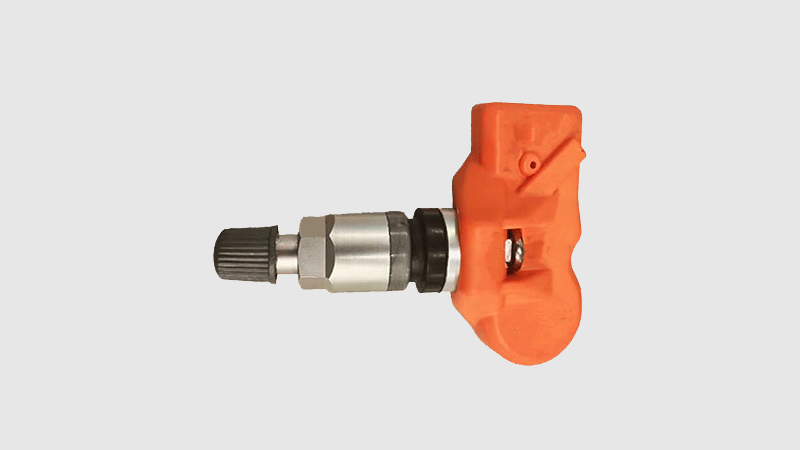
TPMS, fully known as the Tire Pressure Monitoring System, is an electronic device installed inside the tire, integrated with the valve stem on the wheel rim. It is used to monitor tire pressure in real time and to alert the driver if a tire leaks or if the air pressure is too low.
What is a TPMS composed of?
A TPMS is typically composed of the following core components:
Chip: As a core component, it is responsible for accurately collecting tire pressure and temperature data in real time from inside the tire.
RF antenna: It is responsible for transmitting the collected pressure data wirelessly to the vehicle's main control receiver.
Valve stem: It serves as the link between the tire and the TPMS, providing inflation and sealing functions.
Housing: It is waterproof and dustproof, and protects internal electronic components.
Common failures of TPMS and causes
1.Failure due to battery power loss and liquid leakage
This is the most common type of failure. The sensor relies primarily on a built-in, non-replaceable button cell battery for power. Many low-quality aftermarket brands have extremely short lifespans: within just two years of installation, their batteries can become depleted or leak, causing the unit to stop working entirely
2.Damage to the TPMS or mismatch during tire replacement
Improper operation by maintenance personnel when removing or installing a tire can easily damage the TPMS. Besides, failure to correctly match or program the sensor after replacement can also prevent it from functioning properly
3.Failure due to aging
The electronic components or seals inside the TPMS will naturally degrade over time, leading to unstable signals or complete failure.
4.Abnormal signal transmission
When the vehicle passes over bumpy roads (such as potholes or curbs) or experiences impacts, the TPMS body may suffer severe mechanical shock or impact, which can damage its internal components and lead to signal loss or abnormal data.
Precautions for TPMS replacement
What should I do if the valve stem gets damaged during disassembly or assembly?
The valve stem of the TPMS is a component that wears out over time. When removing the tire or replacing the TPMS, it is recommended to replace the valve stem at the same time to avoid rework caused by air leakage due to aging.
Why do TPMS batteries of aftermarket brands fail in just 2 years?
Genuine OEM products undergo rigorous durability testing, whereas some aftermarket brands use low-quality batteries to reduce costs, resulting in a significantly shorter service life. Choosing genuine OEM products is key to avoiding frequent replacements.
Why is 2026 the peak period for TPMS replacement?
On November 1, 2012, the European Union officially mandated that all newly launched passenger vehicles must be equipped with a Tire Pressure Monitoring System (TPMS). In 2026, the first batch of vehicles subject to this mandate will see the end of their sensor battery life, ushering in a peak period for replacement.
Suggestion: If your car is a European model from around 2012–2014, it is recommended to check the TPMS in advance to avoid sudden failure that could affect driving safety.
How to select a high-quality TPMS?
Facing the wave of TPMS replacements in 2026, it is crucial to choose a sensor with a lifespan comparable to that of original equipment, so as to avoid the hassle and extra labor costs of dismounting and reinstalling tires every two years.
Borsehung offers 100% OE-quality TPMS tailored to your vehicle's specifications.
Choose Borsehung's TPMS and say goodbye to frequent repairs from inferior parts. Enjoy every journey with total confidence.