
VAG PQ35 Steering Rack Guide: Technical Specs & Failure Solutions
11.09.2026
As vehicles based on the Volkswagen Group's (VAG) classic PQ35 platform have generally reached 15 to 20 years of service life, their chassis and steering systems have now entered a peak period of major repair and complete assembly replacement.
This article provides a systematic analysis of the technical principles and common failure modes of the PQ35 electric power steering (EPS) gear, along with the reasons why dealers worldwide prefer Borsehung steering rack assemblies.
What is PQ35 steering rack?
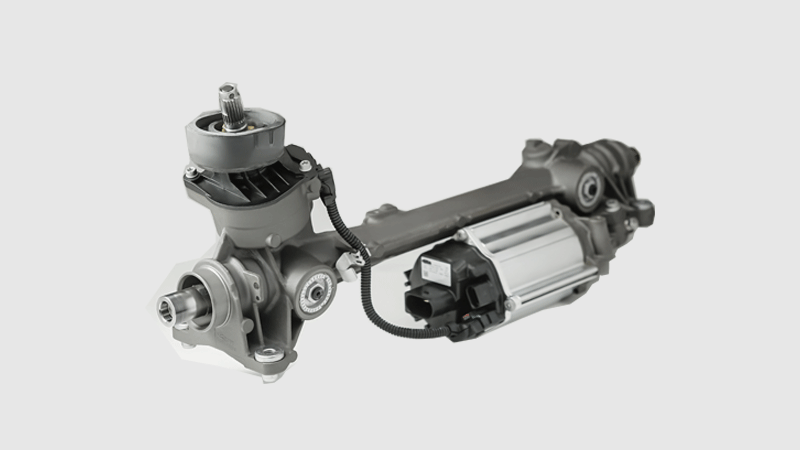
The PQ35 steering rack, i.e., the steering rack assembly within the PQ35 platform's electric power steering (EPS) system, is the core actuating component that enables vehicle steering.
The electric power steering (EPS) system uses an electric motor to amplify the torque applied by the driver when turning the steering wheel. This torque is then converted into left and right movement of the wheels through mechanical transmission, thereby enabling vehicle steering.
Compared with traditional hydraulic power steering (HPS), the PQ35's EPS system does not rely on engine power to drive a hydraulic pump, thus effectively reducing fuel consumption.
In addition, the level of assistance is calculated in real time by the control unit based on vehicle speed, delivering a dynamic steering feel. It results in greater assistance and lighter steering at low speeds, and reduced assistance with a firmer, more grounded road feel at high speeds.
Scope of application: Vehicles based on the PQ35 platform may use different steering system types, such as electric power steering (EPS) and electric-hydraulic power steering (EHPS), depending on model year and powertrain configuration. This article addresses the vehicle models equipped with EPS. When selecting parts, please verify against the vehicle's VIN or original part number.
Structure and components of EPS steering rack
The PQ35 steering rack is an integrated assembly consisting mainly of the following components:
Steering pinion, drive pinion, rack, torsion bar, worm gear mechanism, housing, seal, motor, control unit J500, torque sensor, steering angle sensor, wiring harness, dust cover, inner and outer tie rod ball joints, thrust piece, etc.
Common failure analysis:
As vehicle service life increases, the steering systems of the PQ35 platform often develop the following faults due to mechanical wear, aging of electronic components, or seal failure:
Sensor failure
Specific symptoms: The power steering warning indicator illuminates on the dashboard (yellow typically indicates limited assistance, while red typically indicates a complete loss of assistance); the steering becomes heavy or loses assistance entirely; and the diagnostic tool reads steering system-related fault codes.
Cause analysis: Aging of the internal circuit in the torque sensor or steering angle sensor, poor wiring harness contact, or internal wear leads to signal interruption.
Repair recommendation: As the sensor is usually integrated inside the assembly, it is recommended to replace the steering rack body or the complete assembly directly.
Power steering motor failure
Specific symptoms: The steering momentarily loses assistance; the diagnostic tool reports a communication interruption with control unit J500 or a motor overload fault.
Cause analysis: Aging of the electronic components in control unit J500, or short circuits or water-induced burning in the motor coils.
Repair recommendation: Specialized equipment is required for matching. If the control unit is damaged, the entire assembly usually needs to be replaced.
Mechanical abnormal noise and sticking
Specific symptoms: When steering at low speeds or driving over bumpy roads, a "creaking" or "clicking" noise comes from the chassis; the steering wheel's self-centering torque is uneven or there is a noticeable sticking feel.
Cause analysis: Wear in the worm gear mechanism, gap between the gear and rack caused by excessive wear, or failure of the thrust piece preload.
Repair recommendation: Mechanical wear is irreversible. As adjusting the preload screw can only provide short-term relief, replacement is recommended.
Looseness or chassis instability
Specific symptoms: At high speeds, the steering wheel's free play increases, and the vehicle's trajectory becomes unstable.
Cause analysis: Loose inner/outer tie rod ball joints, aged rubber bushings, or worn rack support bushings.
Repair recommendation: If only a ball joint is damaged, the tie rod can be replaced separately; if the internal rack is loose, the complete assembly should be replaced.
Characteristics of repair demand: mainly involving "body" and "assembly"
In actual aftermarket repairs, the demand for PQ35 EPS steering rack repairs mainly involves "body" and "assembly", rather than replacement of individual parts.
This aligns with the repair guidelines outlined in manufacturers' technical service bulletins: For highly integrated internal failures within a steering unit, the standard procedure is typically to replace the entire steering unit. For both vehicle owners and repair shops, this means:
A shift in parts selection logic: Priority should be given to an assembly that matches the original vehicle or a fully validated body, rather than purchasing individual sensors or motors.
More controllable costs: Given the repair cost and durability needs of owners with 15–20-year-old vehicles, directly replacing the steering rack assembly or body with one built to OE standards is more cost-effective and can eliminate multiple potential issues in one go.
Why choose the Borsehung PQ35 steering rack
As a brand specializing in the VAG aftermarket, Borsehung is committed to providing customers with steering system solutions that meet OE quality standards:
OE-level quality standards: Borsehung steering racks are manufactured in strict accordance with OE vehicle specifications, ensuring precise steering and agile response.
Rigorous testing process: Every Borsehung steering rack undergoes 100% torque testing, leak testing, and electronic system simulation diagnostics before leaving the factory, ensuring it is ready for installation with no abnormal noise and no fault codes.
Precise fitment: Borsehung steering racks precisely match the chassis mounting points and wiring harness connectors of various vehicle models based on the VAG PQ35 platform, requiring no modification and reducing chassis repair labor time.
FAQs
Q1: Is it safe to continue driving if the EPS fault indicator of the PQ35 steering rack is illuminated?
If only the indicator is on but the steering feel is normal, you can drive at low speed and get it repaired nearby.
If the steering becomes heavy or assistance is lost, stop safely immediately and contact a professional repair service — avoid low-speed maneuvering, which risks loss of control in emergency situations.
Q2: Why is four-wheel alignment necessary after steering rack replacement?
Removing and installing the steering rack and tie rods will change the wheel alignment parameters. Without a four-wheel alignment, this may lead to vehicle deviation or abnormal tire wear.
After replacement, it is recommended to complete G85 calibration and four-wheel alignment at the same time.
Q3: Why does the repair for PQ35 steering rack mainly focus on replacing the entire assembly?
Because the motor, control unit J500, torque sensor, and housing are highly integrated and tightly coupled, replacing individual components is not cost-effective in terms of structure and reliability.
The manufacturers' technical bulletins also require replacing the entire steering unit when a fault occurs.