

VW Wiper & Turn Signal Switch: Causes of Failure & Replacement
24.04.2026
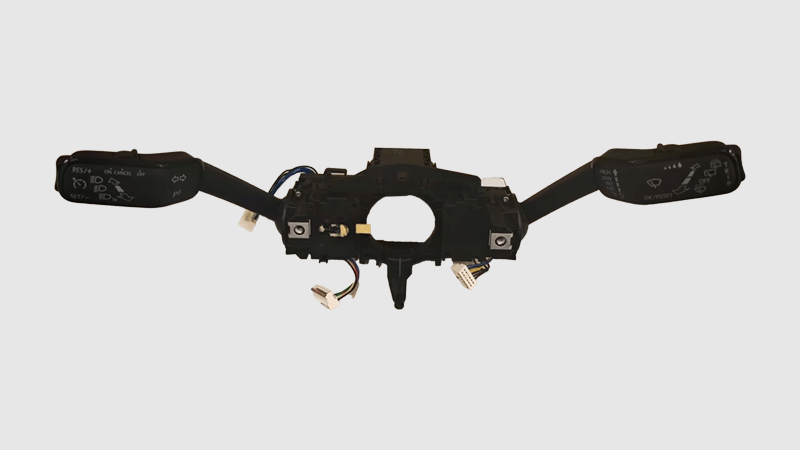
The combination switch for wiper and indicator is one of the most frequently used components in a vehicle. Because it is used so often, it is also one of the electrical components most prone to failure.
Why do wiper & turn signal switches fail so easily?
Combination switches contain multiple contact circuits, and physical wear and electrical aging are inevitable after prolonged use. Here are the three main causes of failure:
1.Frequent Use and Natural Wear and Tear
As the control lever that drivers interact with most frequently, the contacts undergo natural wear and tear after tens of thousands of operations. When the internal metal contacts wear down to a certain extent, current transmission becomes unstable, causing abnormal flashing of the turn signals or preventing the windshield wipers from resetting.
2.Contact Ablation and Oxidation
Minor arcing occurs inside the switch when the circuit is made or broken. After prolonged use, the contact surfaces may exhibit ablation (blackening) or oxidation. This increases contact resistance and, in severe cases, can cause the switch to become completely unresponsive or even produce a burning smell.
3.Environmental Factors: Dust and Water Ingress
Dust Accumulation: Fine dust particles entering the switch’s crevices can mix with internal grease to form sludge, causing the switch to feel stiff during operation and potentially leading to the fracture of internal plastic components if forced.
Water Corrosion: Whether caused by accidental.water ingress during interior cleaning or exposure to high-humidity environments, water can accelerate short circuits or rust on the internal circuit board.
Volkswagen Models: Why is there such a high demand for wiper and turn signal combination switches?
In the automotive aftermarket, combination switches for Volkswagen models have consistently maintained extremely high demand. This is primarily due to the following reasons:
Huge Fleet Size: The massive user base determines the turnover rate of parts.
Frequency of Failures: According to repair data statistics, the failure rates of electronic switch components in vehicles are ranked as follows:
- Windshield wiper and turn signal combination switch (most frequent)
- Window regulator switch
- Central door lock switch
How to Tell if Your VW Combination Switch Needs Replacement
To ensure driving safety, you should inspect and replace your combination switch if you encounter any of the following symptoms:
Turn Signal Failure: The lever does not respond when moved, or the indicator lights flash erratically.
Wiper Malfunction: The windshield wipers cannot be turned off once activated, or the intermittent setting fails.
Lighting Issues: High beams cannot be locked in place or switched back to low beams.
Physical Resistance: You feel noticeable stiffness or hear unusual noises when operating the lever.
Choose OE-quality parts to avoid repeat repairs
Due to the frequent use of combination switches, we recommend selecting OE-quality or certified brand parts for replacement. Inferior switches often feature thin contact plating and poor plastic mold precision, which can lead to the same failure recurring within months.
Borsehung offers a full range of windshield wiper and turn signal combination switches compatible with all Volkswagen models. Featuring reinforced contacts and OE specifications, our switches are designed to ensure long-term durability and driving safety.